“A story of identity, immigration, and the Maya Spirit.”


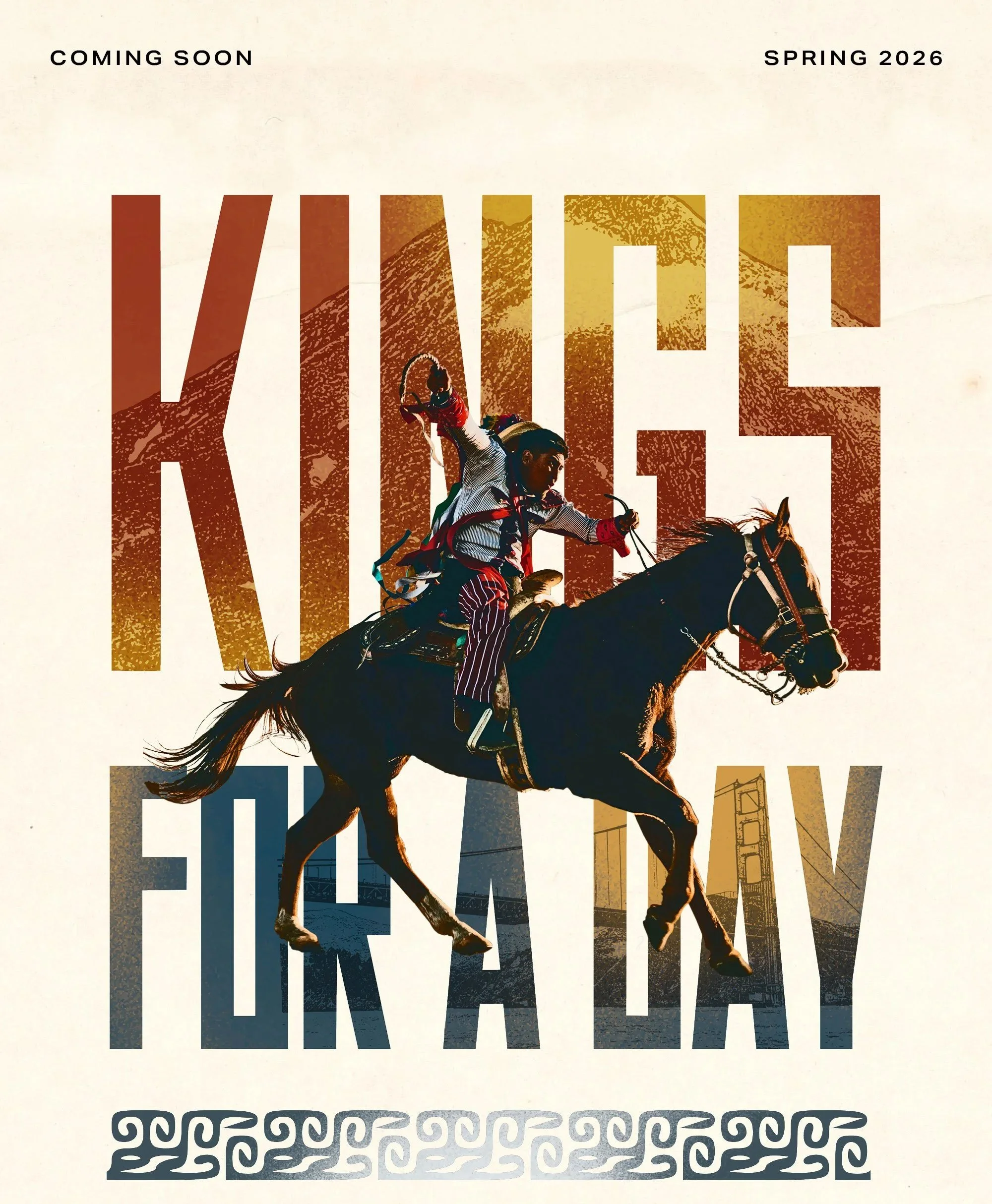
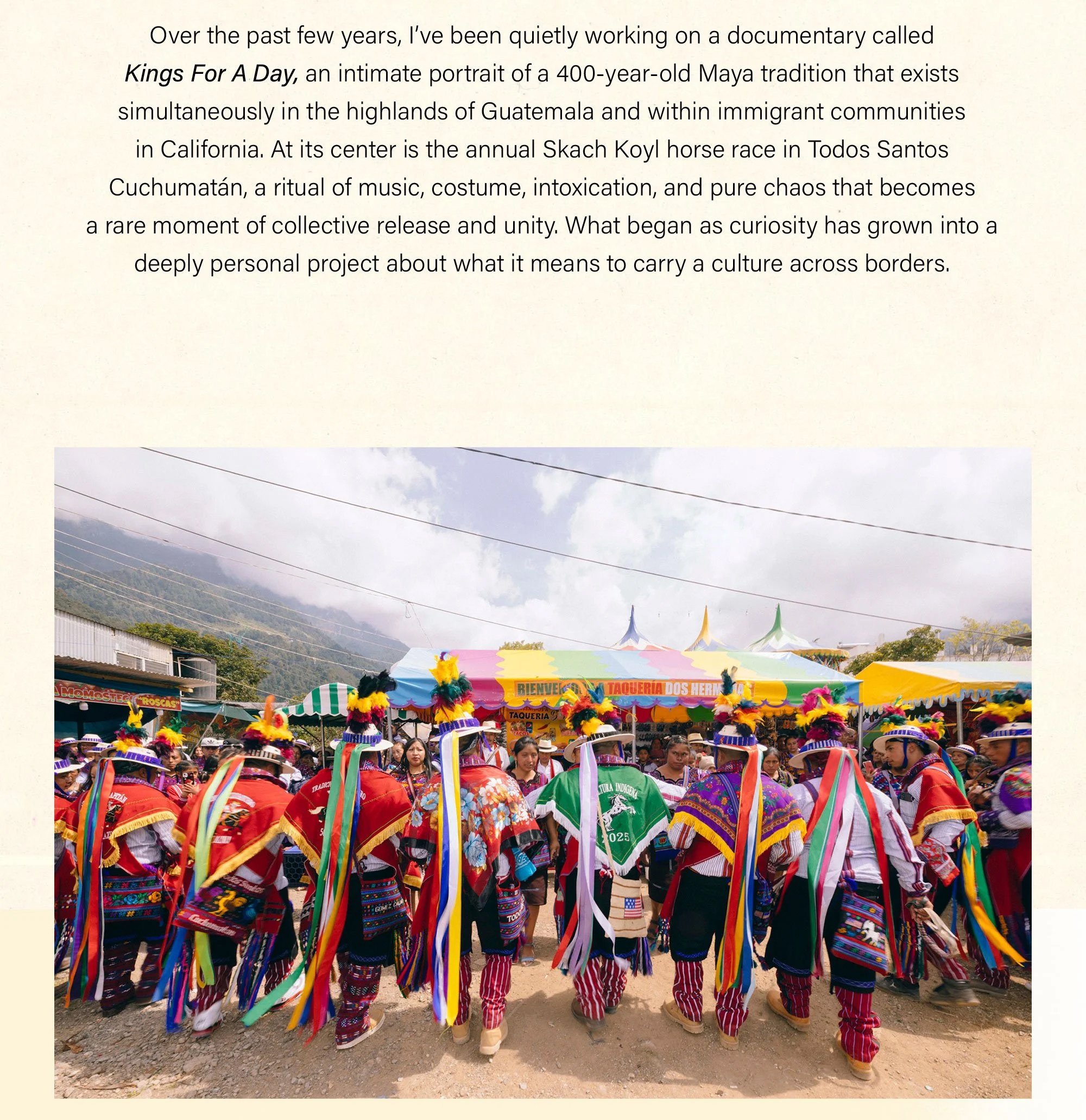
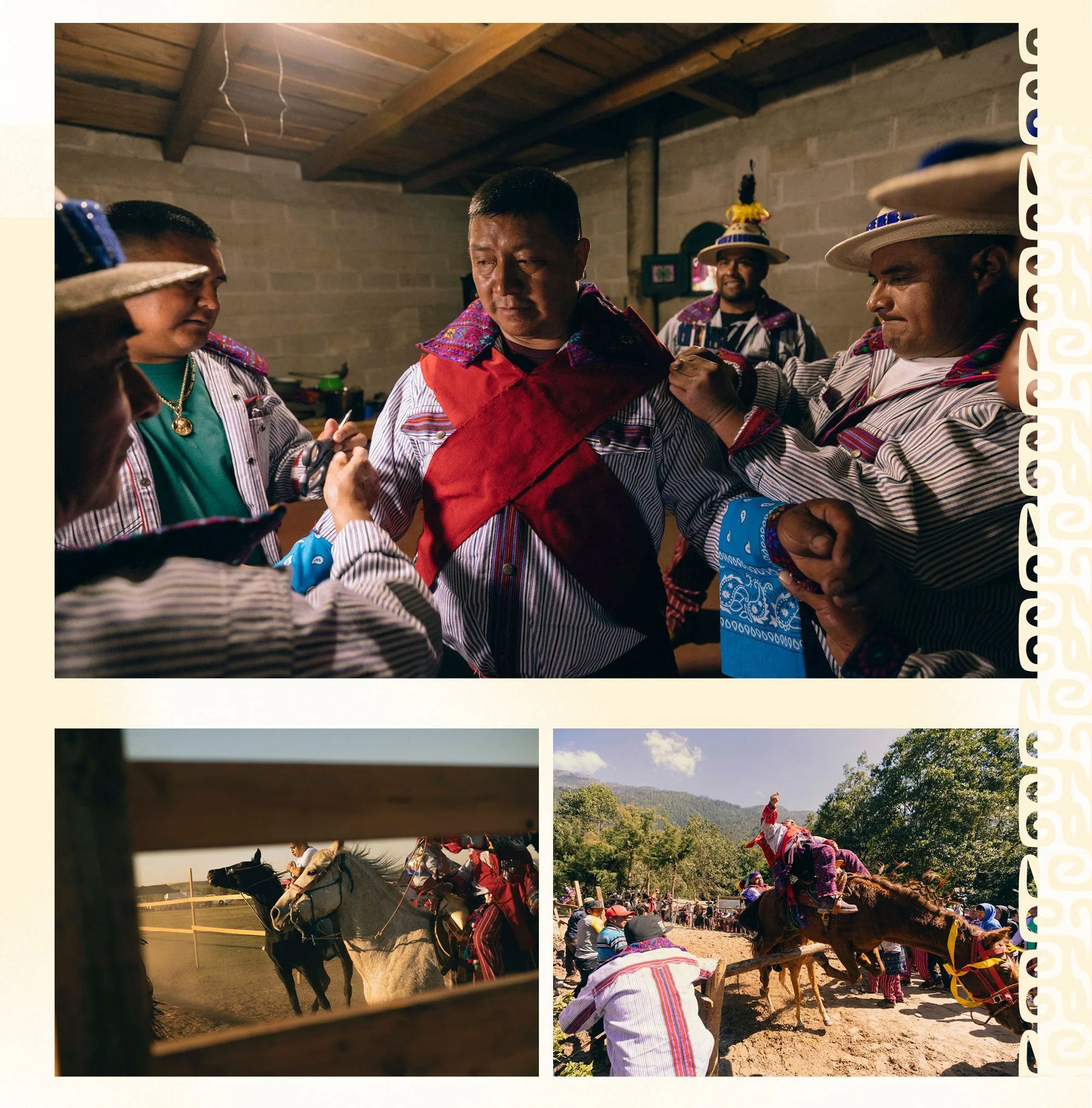
Once a year in the Guatemalan highlands, the Maya community of Todos Santos risks life and limb in the ancient Skach Koyl horse race—an act of cultural defiance. As migration scatters the town from Guatemala to Oakland, the ritual becomes a lifeline for a people fighting erasure, racism, and fear, where survival itself is resistance.

The Skach Koyl race traces its roots back to the 1500s, when Mam Maya communities in the mountains of western Guatemala resisted Spanish conquest. Stories of a leader known as the Jaguar King, who was never captured and whose spirit is said to remain in the mountains, still echo through the region. That history of resistance lives on today through ritual, memory, and the preservation of Maya identity.

Why Kings For A Day?

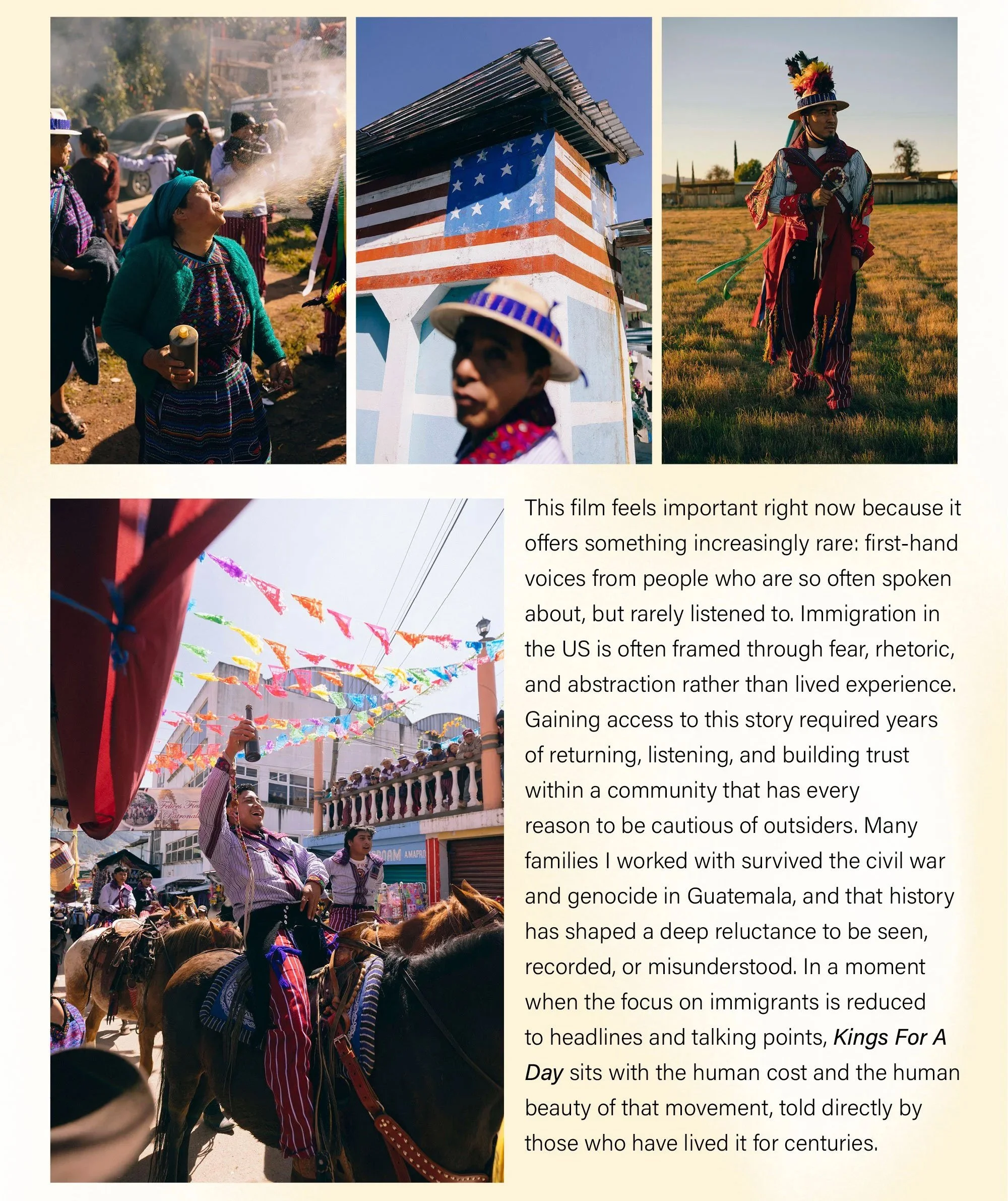
Kings For A Day is important because it places human faces and lived experience at the center of a political conversation that is too often abstracted and weaponized. In the current climate in the United States, Guatemala immigration is discussed in terms of numbers, borders, and enforcement rather than families. memory, and loss. While filming I sat with people who spoke softly, not out of shyness, but out of fear of being seen. I watched parents send voice notes home to children they had not held in years, and weighed every public gesture against personal safety. In Todos Santos I saw the same people who are labeled migrants in the north, honored as culture bearers and community leaders. The contrast between how these lives are valued on either side of a border is stark and deeply unsettling.

This film insists that the people most affected by immigration policy are not talking points but neighbors, workers, and parents carrying history with them. By allowing their stories to unfold with patience and dignity, Kings For A Day asks viewers to listen before judging and to understand what is truly at stake.